
A belated Dyslexia Awareness post!
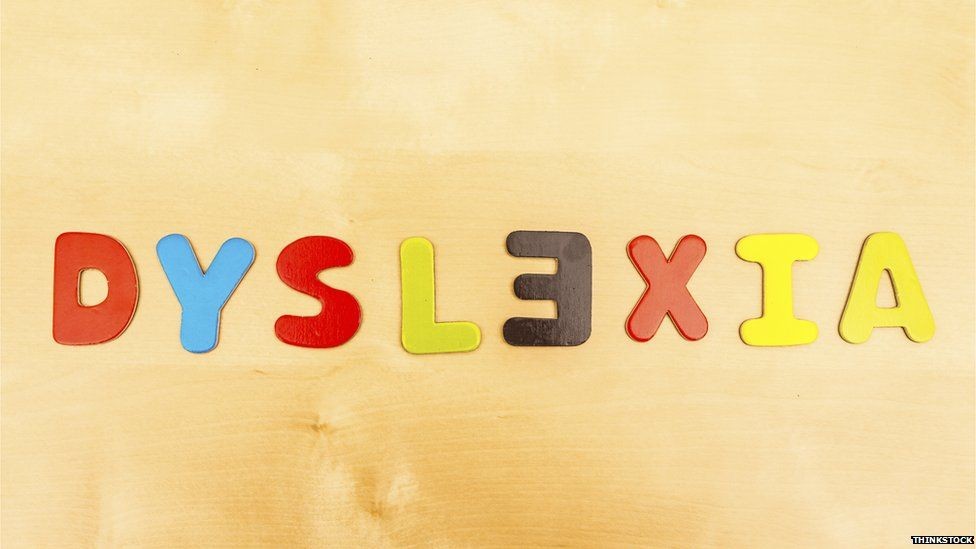
Dyslexia awareness week was 6th October-12th October 2025. We weren't able to get the blog published before that week but as the theme for this year was Dyslexia: Raise the Volume, we felt it was still important to share our blog and raise awareness.
Dyslexia is a specific learning disability which around 10% of children in the UK have. Dyslexia affects processing and memory which can cause issues with reading, writing and spelling.
Common Myths about Dyslexia
- Dyslexia affects how intelligent you are – dyslexia doesn’t affect intelligence
- Dyslexia only affects reading and writing – dyslexia affects reading and writing but also someone’s processing speed and memory.
- Dyslexia only affects children – you cannot outgrow dyslexia it is a lifelong condition
What things can help?
Assistive technologies can help people with dyslexia. For example, text to speech software, audiobooks and dyslexia friendly font. Multi-sensory learning including sight, sound, touch and movement can help dyslexic learners. You might also get help at school with reading and writing. If you are going to university, you can get help with your dyslexia through the Disabled Students Allowance (DSA).
Who has dyslexia?
Dyslexia affects people of all genders, races and ages. Chances are you know someone who is dyslexic!
Some famous people who are dyslexic include:
- Tom Holland – Actor
- Jamie Oliver – TV Chef
- Kiera Knightley – Actress
- Muhammed Ali - Boxer
