

LED Conversion Project
What we are doing
We are upgrading street lighting across West Sussex by replacing all remaining West Sussex County Council owned streetlights that are not yet LED.
This includes approximately 65,250 lanterns.
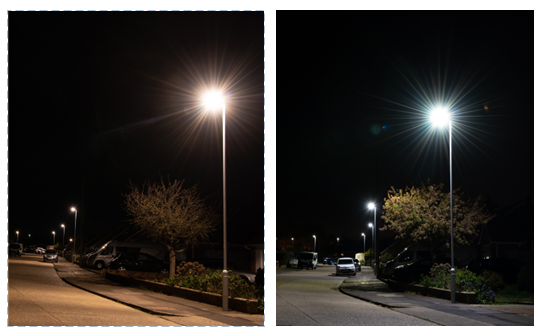 Streetlights before and afterThe implementation will begin in the area where street lighting uses the most energy and then will move through the county to ensure efficient future maintenance.
How the upgrade works
We will replace the lanterns - the light‑producing units at the top of the existing columns. Each road will be assessed to ensure lighting is energy‑efficient and provides the right level of visibility for all road users.
In a small number of locations, we may need to reposition columns or install new ones to maintain safe and effective lighting.
Introducing smarter lighting controls
As part of the upgrade, each new LED lantern will be fitted with a Central Monitoring System (CMS) control node. This replaces the current sensor that switches lights on and off based on daylight levels.
These new nodes connect to a central management platform, allowing us to:
- Control and monitor lights remotely
- Improve fault detection and response times
- Optimise energy use across the network
This combination of LED lighting and smart controls will help us reduce energy consumption, lower carbon emissions, and maintain a reliable street lighting service for residents.
Programme delivery and progress
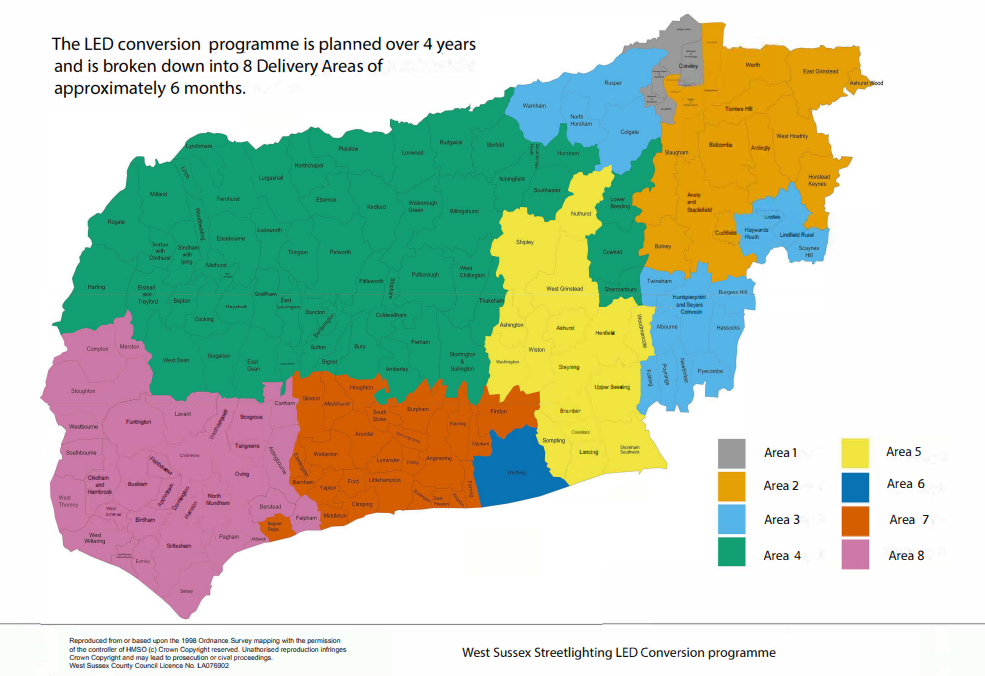
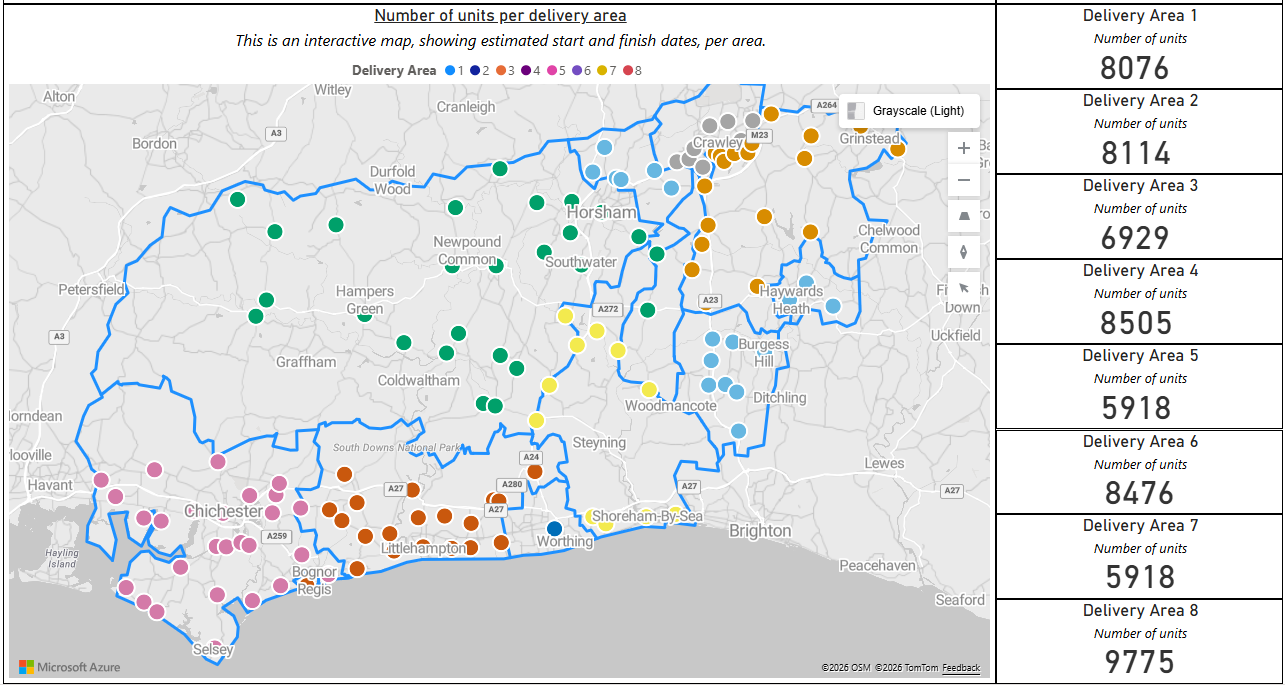
The project is divided into six monthly periods. You can view these geographically on the following map:
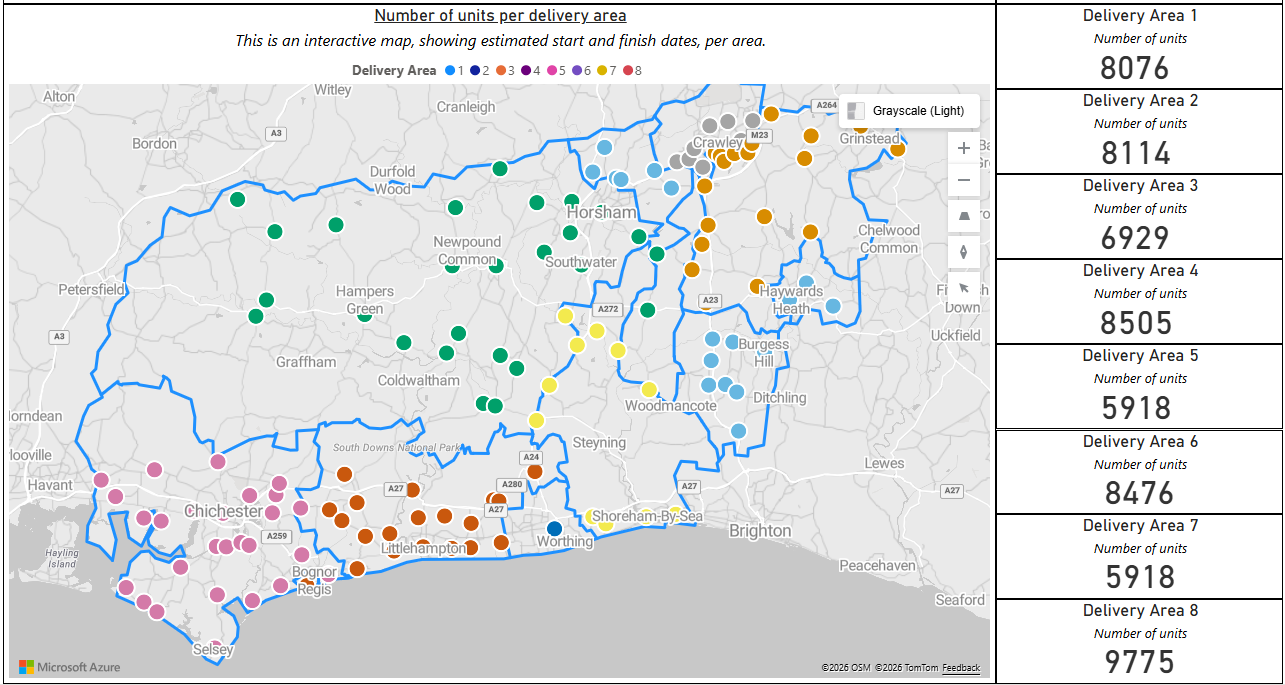
The delivery areas can been seen in more detail in the document below. It outlines the number of units in each area and will be updated every few months to show our progress.
Project Updates Dashboard
Click on the MAP to view the latest project updates and track progress across each delivery area as work continues.
Why we are doing this work
Reducing energy use and carbon emissions
Streetlights are the third largest source of energy use and carbon emissions for West Sussex County Council. Converting the remaining lights to LED will significantly cut both electricity consumption and carbon output, supporting our commitment to become a carbon‑neutral organisation by 2030.
LED lanterns use far less electricity; typically, at least 50% less than conventional lighting, whilst complying to the current national lighting standards. This lower energy demand will reduce our revenue costs and make a substantial contribution to our carbon‑saving targets.
Responding to rising costs
Energy prices have increased sharply in recent years, and maintaining older lighting technology is becoming progressively more expensive. At the same time, LED equipment has become the industry standard. As a result, LED lanterns are now cheaper to purchase, more reliable, and more efficient than the traditional units they replace.
Lower maintenance and less disruption
LED lanterns last much longer and require fewer routine maintenance visits. This means:
- Fewer trips to site and less disruption on the highway
- Reduced need for traffic management, lowering costs and
 minimising delays
 - More consistent lighting due to improved optical control, ensuring light is directed where it’s needed
A long‑term, cost‑effective investment
The combined benefits of lower energy use, reduced maintenance, and smarter monitoring mean that West Sussex County Council expects to recover the cost of the LED conversion programme within 13 years.
Background
Private Finance Initiative
In April 2010, West Sussex County Council entered into a 25‑year Private Finance Initiative (PFI) contract for street lighting with Tay Valley Lighting and its operating subcontractor, Enerveo.
At the time, much of the county’s street lighting stock was ageing and required major investment to ensure we could continue providing a safe, sustainable and efficient lighting system. The aims of the PFI were to:
- Replace most ageing street lights, illuminated signs and bollards within the first five years
- Deliver economic benefits by designing roads to the latest lighting standards
- Reduce unnecessary equipment where possible
Why LEDs weren’t originally used
When the PFI began in 2010, LED street lighting was neither cost‑effective nor proven to be reliable. Like many other local authorities, WSCC selected the most efficient and dependable lanterns available at the time, which still provided around 25% energy savings compared with older equipment.
Since then, lighting technology has advanced considerably. LEDs are now:
- More affordable
- Fully proven in reliability and performance
- More energy efficient
- Much longer‑lasting, avoiding the need for lamp changes every four years
Rising energy costs and the increasing need to reduce environmental impacts have made the transition to LED lighting both viable and necessary.
LEDs already in use
 Around 2,200 LED lanterns are already operating across West Sussex. Much of the South Downs National Park has been upgraded to support its Dark-Sky Policy Plan, helping to reduce light pollution while maintaining safe lighting levels. These installations have performed well, with no reported issues or maintenance concerns being raised.
Alternative formats and accessibility
If you require any of this information in an alternative format, then please contact us via email at sustreetlighting@westsussex.gov.uk (external link) or by telephone on 01243 777 100 and we will do our best to assist you. If you are deaf or hard of hearing and have an NGT texting app installed on your computer, laptop or smartphone, you can contact us on 18001 01243 777 100.
Please note you can use the Google Translate option in the top right hand corner to specify which language you would like to use to access this page.
For more information about the accessibility of this website, please see our Accessibility tab (opens in new window) at the foot of the page.
-
LED Street Lighting Upgrade Progress – September 2026
Share LED Street Lighting Upgrade Progress – September 2026 on Facebook Share LED Street Lighting Upgrade Progress – September 2026 on X (formerly Twitter) Share LED Street Lighting Upgrade Progress – September 2026 on Linkedin Email LED Street Lighting Upgrade Progress – September 2026 linkDelivery Area 1
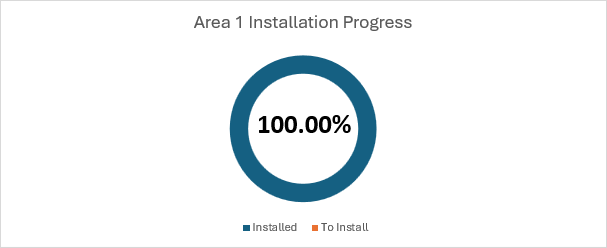
- Works in Area 1 are now complete, with all 8,076 street lights installed and certified.
- The area was completed ahead of the early September target date.
Delivery Area 2
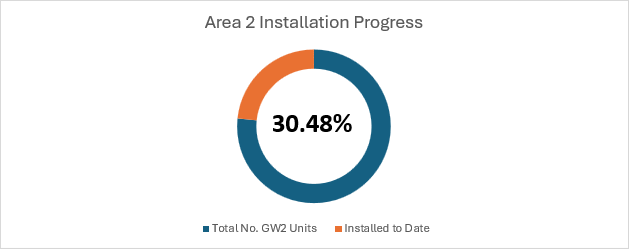
- Work in Area 2, which began in July, is progressing well.
- So far, 2,470 street lights have been upgraded, putting the programme ahead of schedule.
- Completing installations ahead of schedule will bring forward the project's energy, carbon and cost savings.
Project overview
- The project is now 16.1% complete, with more than 10,500 street lights converted to LED technology.
- Updated performance figures are available on the Power BI dashboard.
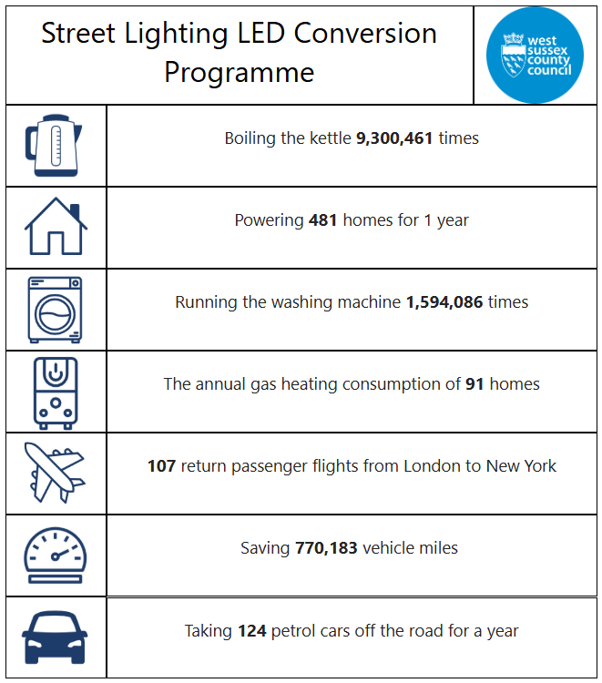
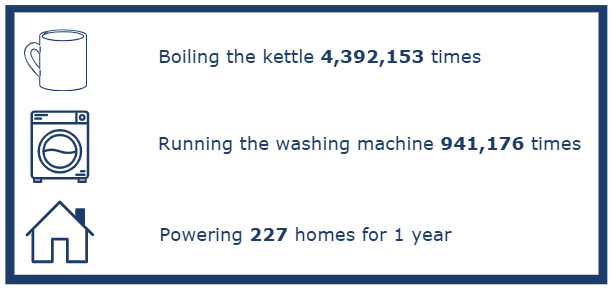
- The scheme continues to deliver significant environmental benefits, and is expected to save 1,222,546 kWh of energy per year. This is equivalent to the following savings;
-
LED Street Light Upgrade Progress – July 2026
Share LED Street Light Upgrade Progress – July 2026 on Facebook Share LED Street Light Upgrade Progress – July 2026 on X (formerly Twitter) Share LED Street Light Upgrade Progress – July 2026 on Linkedin Email LED Street Light Upgrade Progress – July 2026 linkProject Dashboard – Now live
Our interactive project dashboard is now available. Use the map to view the latest project updates and track progress across each delivery area as work continues.
Delivery Area 1 update
- Work in Broadfield, Bewbush, Kilnwood Vale and Gossops Green has now been completed.
Delivery Area 2 update
- The programme has accelerated in Pound Hill South and Maidenbower, putting the project approximately seven weeks ahead of schedule.
-
LED Street Light Upgrade Progress – June 2026
Share LED Street Light Upgrade Progress – June 2026 on Facebook Share LED Street Light Upgrade Progress – June 2026 on X (formerly Twitter) Share LED Street Light Upgrade Progress – June 2026 on Linkedin Email LED Street Light Upgrade Progress – June 2026 linkWork on Delivery Area 1 of the LED street light upgrade began as planned on 9 March. Since then, 6,498 street lights have been converted to energy-efficient LED units and connected to a new Central Monitoring System, which helps manage and monitor the network more effectively.
The upgrades are already having a positive impact.
The completed areas are expected to cut annual energy use by around 658,823 kWh – this is equivalent to
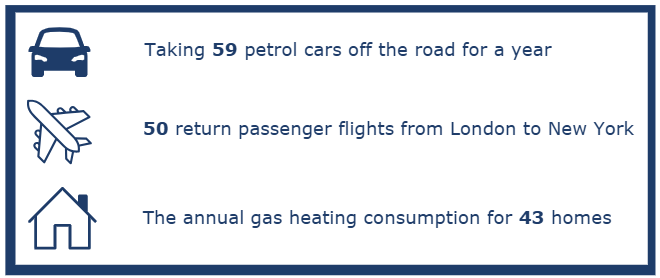
The project progress will also reduce our annual carbon emissions by 121.46 tonnes – this is equivalent to
Work continues across Crawley to deliver the remining 20% of lights in Delivery Area 1, while Delivery Area 2 remains on track to start in September 2026.
-
Asset Manager - Traffic Signals and Street Lighting

-
Cabinet Member for Highways and Transport

-
Pre project commencement
LED Conversion Project has finished this stageSee delivery area map for location specifics
-
Delivery Area 1
LED Conversion Project has finished this stage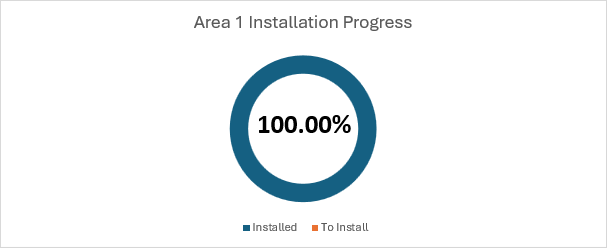
-
Delivery Area 2
LED Conversion Project is currently at this stage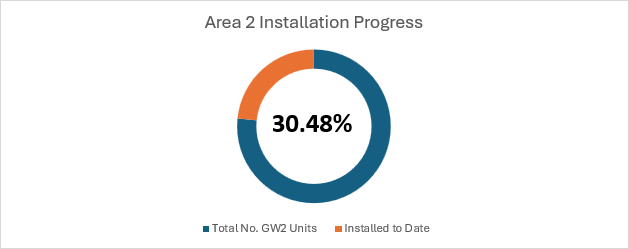
-
Delivery Area 3
this is an upcoming stage for LED Conversion Project -
Delivery Area 4
this is an upcoming stage for LED Conversion Project -
Delivery Area 5
this is an upcoming stage for LED Conversion Project -
Delivery Area 6
this is an upcoming stage for LED Conversion Project -
Delivery Area 7
this is an upcoming stage for LED Conversion Project -
Delivery Area 8
this is an upcoming stage for LED Conversion Project
